Everything You Need to Know Before Your Tattoo
Getting a tattoo feels exciting, almost like marking a moment you never want to forget. But it’s not something I rush into.
A tattoo stays with you for life, so every detail matters. From design to healing, each step plays a role in how it looks and feels years later.
In this guide, I’m sharing everything in simple, honest words so you can walk into your appointment fully prepared and leave with something you truly love.
Why Your Tattoo Should Mean Something to You
I’ve noticed the tattoos people love the most usually have a story behind them. It doesn’t have to be deep or emotional, but it should feel personal. Trends fade, but meaning stays. I always picture how I’ll feel about the design years from now. Imagine a clean, balanced tattoo that still feels like “you” even after time passes. That’s the goal.
Don’t Just Pick a Design, Build One
Instead of copying something directly, I like to take inspiration and make it my own. Even a small change can make your tattoo feel unique. Think about details like line thickness, shading, or adding a small personal element. Visualize a design that feels custom-made, like it belongs only to you, not something pulled straight from a search result.
Your Artist Is Everything
I can’t stress this enough, the artist matters more than the design itself. A great artist can elevate a simple idea into something beautiful, while the wrong one can ruin even the best concept. I always spend time scrolling through portfolios and looking at healed work, not just fresh tattoos. Picture sitting in a clean, well-lit studio with someone who clearly knows what they’re doing and takes pride in every line.
Placement Isn’t Just About Looks
Where you place your tattoo changes everything. I always think about how it moves with my body, how visible it is, and how it might age. Some spots stretch more, some fade faster, and some hurt more. Imagine your tattoo fitting naturally with your body shape, like it was always meant to be there.
Let’s Talk About Pain Honestly
People often ask, “Does it hurt?” The honest answer is yes, but it’s manageable. I think of it as a steady scratching feeling. Some areas are easier, while others can be intense. The key is staying calm and breathing through it. Visualize yourself sitting still, focused, and getting through it step by step.
Show Up Prepared, Not Nervous
I always make sure I’m well-rested, hydrated, and have eaten before my appointment. This helps your body handle the process better. Wearing comfortable clothes also makes a difference, especially for longer sessions. Imagine walking in relaxed and ready, not anxious or rushed. That mindset helps more than you think.
What Actually Happens During the Tattoo
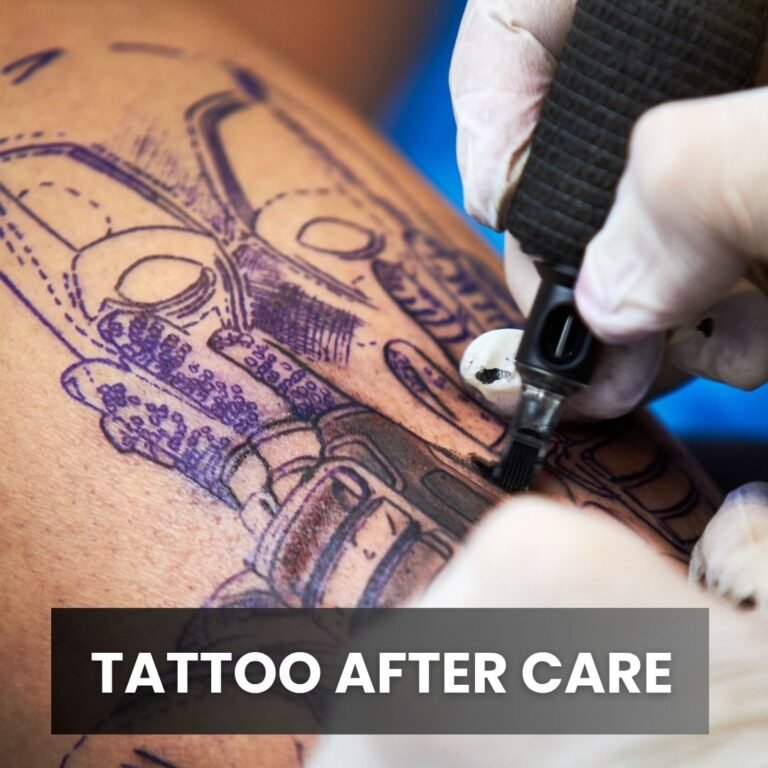
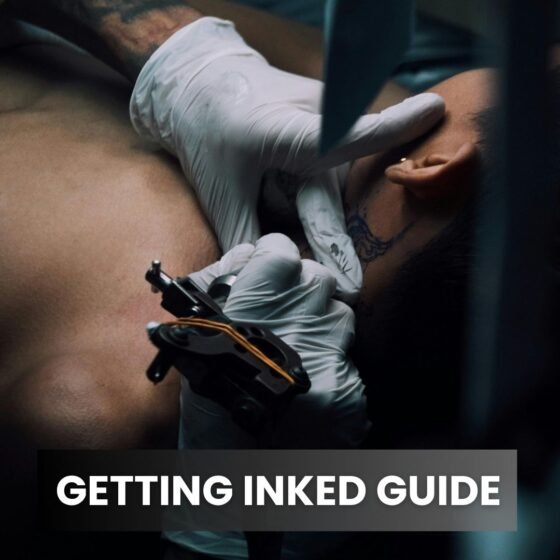
If it’s your first time, the process might feel unfamiliar. The artist starts by cleaning your skin and placing a stencil. Once you approve it, the tattooing begins. I always take a moment to check the stencil carefully because this is your last chance to adjust placement. Picture the artist working slowly and carefully, building the design line by line.
Cleanliness Is Non-Negotiable
A professional studio should feel safe the moment you walk in. I always look for sealed needles, fresh gloves, and clean surfaces. If something feels off, I don’t ignore it. Imagine a setup that feels almost medical, everything organized, sanitized, and handled with care. That’s what you deserve.
Price vs Quality: What Really Matters
It’s tempting to go for cheaper options, but I’ve learned that tattoos are not the place to cut corners. You’re paying for skill, experience, and long-term results. I think of it as investing in something permanent. Imagine paying a little more now for something you’ll be proud to wear forever.
The Healing Stage Is Where the Magic Happens
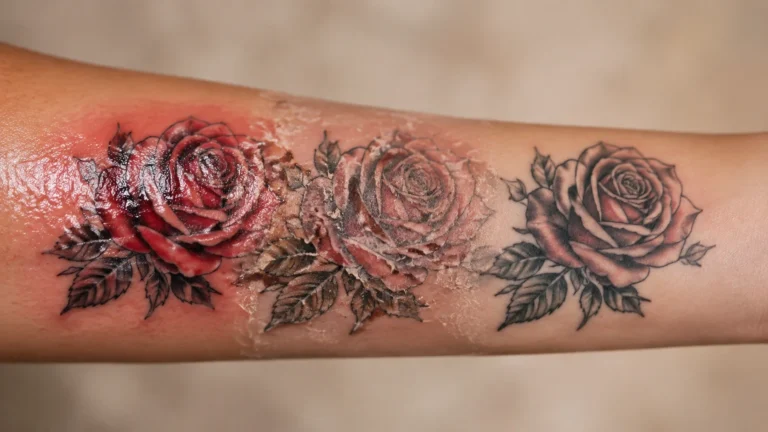
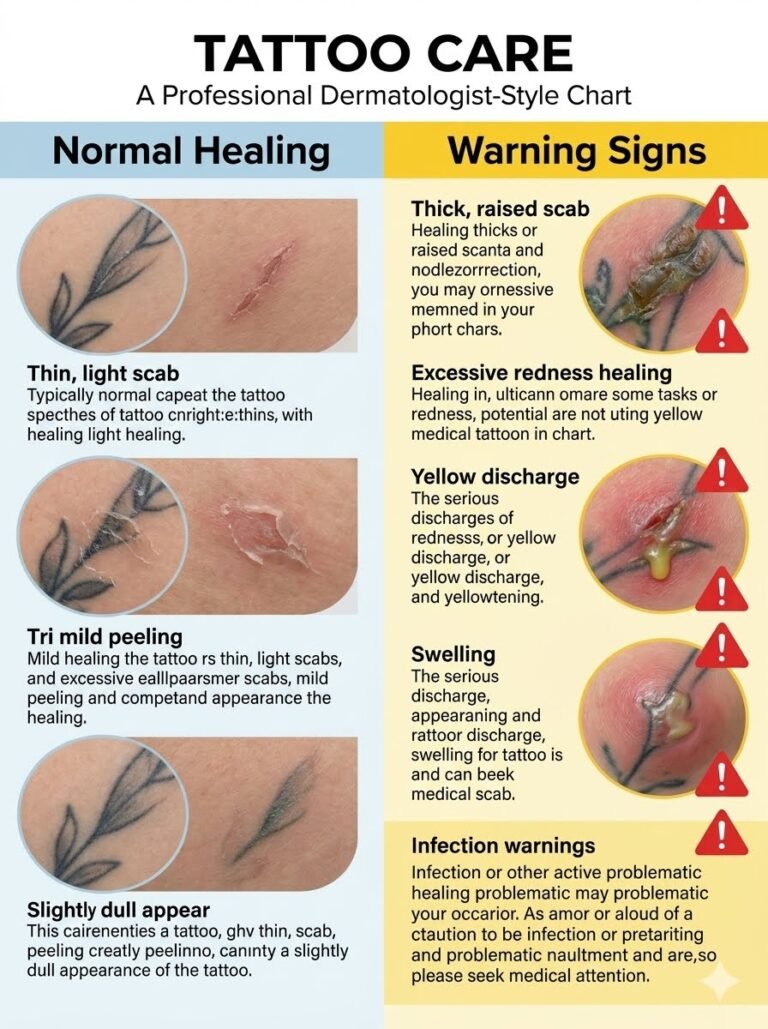
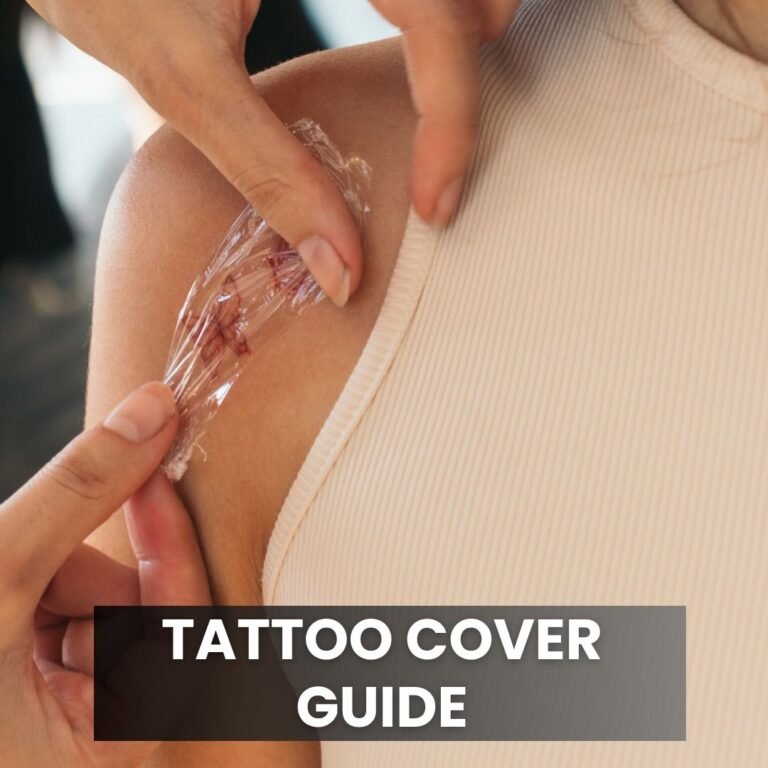
Once the tattoo is done, the real work begins. I gently wash it, apply ointment, and avoid touching it too much. There’s a peeling stage that can feel strange, but it’s completely normal. I always remind myself not to scratch. Picture your tattoo slowly settling into your skin, becoming clearer and more defined every day.
Small Mistakes That Can Ruin a Good Tattoo
I’ve seen people regret rushing their decisions or ignoring aftercare. Picking a random design, choosing an inexperienced artist, or skipping proper healing steps can affect the final result. I always take my time and stay patient. Imagine avoiding all that regret simply by planning ahead.
Tattoos Change Over Time, and That’s Okay
Your tattoo won’t look exactly the same forever. Lines may soften, and colors may fade slightly. That’s natural. I always protect mine with sunscreen and good skincare. Picture your tattoo aging gracefully, still looking strong and clear because you took care of it.
Thinking About Removal or Cover-Ups
Yes, tattoos can be removed or covered, but it’s not easy. It takes time, money, and multiple sessions. I always remind myself that it’s better to get it right the first time. Imagine choosing a design so well that you never feel the need to change it.
Confidence Matters More Than Anything
At the end of the day, getting a tattoo should feel right. I don’t go ahead unless I feel fully sure. That confidence makes the experience better and the result more meaningful. Picture walking out of the studio, looking at your tattoo, and genuinely loving it without second thoughts.
Final thoughts
Getting a tattoo is a mix of excitement, creativity, and responsibility. I always take my time, trust the process, and focus on making the right choices. When you plan carefully and listen to your instincts, your tattoo becomes something you’ll carry with pride, not regret.